





































In addition to the super cozy exterior, these chairs are equipped with a motorized feature that lifts the chair up and tilts it forward for assistance into a standing position. For anyone seeking next level wellness, several premium upgrades are available. The Twilight feature gives the user the ability to recline into the Trendelenburg position (also known as weightlessness or zero gravity, elevating the feet and legs of the patient above the level of the heart) to improve circulation and reduce swelling. Some chairs come equipped with micro-adjustment controls in the seated and reclined positions to improve posture and allow for optimal comfort. Additionally, heat and Swedish air massage are also available.
Golden lift chairs are built with pride by American workers in Old Forge, Pa. They are practical, luxurious, and incredibly comfortable to sleep in (especially for those who need elevation while resting). If you or your loved one has a difficult time sitting down or rising to a standing position, a Golden lift chair could be a game changer allowing for more independence. At Baywind Medical, we have Golden lift chairs available for sale and rent. A rental chair is perfect for someone just needing a little extra assistance during recovery from a surgery or injury.
Stop by and check out all of the chairs we have in stock, Monday through Friday from 9-5 at 540 E. John Sims Pkwy. in Niceville. We have several chairs available for you to try before you buy. We are also able to order in-stock chairs from Golden and even help you build your own custom, dream recliner. Our knowledgeable team can help ensure you get the right chair, in the right size, with all the features you need to maximize your comfort, health, and safety. Trending Now
LATEST ARTICLES
Beyond Comfort: The Hidden Health Benefits of Power Lift Recliners
By Kelly Stalnaker
A powered lift chair isn’t just a recliner; it’s a helping hand when you need it most. By smoothly raising you to a standing position and easing you back down, these chairs significantly reduce physical strain and improve daily safety. For those managing chronic pain, surgical recovery, or mobility challenges, it is a simple home upgrade that makes a big difference.
Falling at home is a top concern for seniors, and surprisingly, the struggle often begins at the edge of a seat. Standard recliners frequently rely on jerky manual levers that can cause sudden, disorienting movements. Combined with natural muscle weakness or a sudden bout of vertigo, the simple act of sitting or standing can be the riskiest part of the day. Avoid these dangers with equipment that moves as smoothly as you do.
A quality lift chair isn’t always just about comfort; it’s about staying on your feet and maintaining independence. Golden Technologies lift chairs provide the perfect combination of medical-grade safety and living-room luxury. Available in dozens of fabrics and colors with a wide array of features, it’s easy to forget these are sophisticated medical devices.
In addition to the super cozy exterior, these chairs are equipped with a motorized feature that lifts the chair up and tilts it forward for assistance into a standing position. For anyone seeking next level wellness, several premium upgrades are available. The Twilight feature gives the user the ability to recline into the Trendelenburg position (also known as weightlessness or zero gravity, elevating the feet and legs of the patient above the level of the heart) to improve circulation and reduce swelling. Some chairs come equipped with micro-adjustment controls in the seated and reclined positions to improve posture and allow for optimal comfort. Additionally, heat and Swedish air massage are also available.
Golden lift chairs are built with pride by American workers in Old Forge, Pa. They are practical, luxurious, and incredibly comfortable to sleep in (especially for those who need elevation while resting). If you or your loved one has a difficult time sitting down or rising to a standing position, a Golden lift chair could be a game changer allowing for more independence. At Baywind Medical, we have Golden lift chairs available for sale and rent. A rental chair is perfect for someone just needing a little extra assistance during recovery from a surgery or injury.
Stop by and check out all of the chairs we have in stock, Monday through Friday from 9-5 at 540 E. John Sims Pkwy. in Niceville. We have several chairs available for you to try before you buy. We are also able to order in-stock chairs from Golden and even help you build your own custom, dream recliner. Our knowledgeable team can help ensure you get the right chair, in the right size, with all the features you need to maximize your comfort, health, and safety.
In addition to the super cozy exterior, these chairs are equipped with a motorized feature that lifts the chair up and tilts it forward for assistance into a standing position. For anyone seeking next level wellness, several premium upgrades are available. The Twilight feature gives the user the ability to recline into the Trendelenburg position (also known as weightlessness or zero gravity, elevating the feet and legs of the patient above the level of the heart) to improve circulation and reduce swelling. Some chairs come equipped with micro-adjustment controls in the seated and reclined positions to improve posture and allow for optimal comfort. Additionally, heat and Swedish air massage are also available.
Golden lift chairs are built with pride by American workers in Old Forge, Pa. They are practical, luxurious, and incredibly comfortable to sleep in (especially for those who need elevation while resting). If you or your loved one has a difficult time sitting down or rising to a standing position, a Golden lift chair could be a game changer allowing for more independence. At Baywind Medical, we have Golden lift chairs available for sale and rent. A rental chair is perfect for someone just needing a little extra assistance during recovery from a surgery or injury.
Stop by and check out all of the chairs we have in stock, Monday through Friday from 9-5 at 540 E. John Sims Pkwy. in Niceville. We have several chairs available for you to try before you buy. We are also able to order in-stock chairs from Golden and even help you build your own custom, dream recliner. Our knowledgeable team can help ensure you get the right chair, in the right size, with all the features you need to maximize your comfort, health, and safety. Reclaiming Your Edge: Precision Performance and Long-Term Health
Dr. Richard Chern, MD
You’re at the gym, pushing for that final set, but the explosive power just isn’t there. Back at the office, you’re staring at the same report for the tenth time, your focus drifting as a familiar cloud of irritability settles in. By 2:13 a.m., you’re staring at the ceiling, heart racing, replaying the day’s endless list while a thin layer of sweat cools on your skin.
It’s easy to shrug this off as “just getting older,” but this slow erosion of muscle, mood, and mental sharpness is often a biological decline, not an inevitable part of aging. While national health trends often highlight mental health and sleep during specific awareness months, maintaining your peak performance is a year-round commitment to your biology.
Precision Performance, Not a Rollercoaster
At The Hormone Restoration Center, we use bioidentical pellets to optimize hormone levels so your body stops sabotaging your efforts. Unlike messy gels that can rub off on your family or weekly injections that cause emotional “spikes and crashes,” pellets provide a steady, consistent release that mimics your body’s natural rhythm.
How Pellet Therapy Restores Your Foundation:
We start with a thorough baseline evaluation, including blood testing of sex hormones and key metabolic markers. The insertion procedure is brief, performed right here in the office, and involves zero downtime.
Most men feel the “lifting of the veil” within the first two weeks, with reliable peak performance by week six. We don’t “set it and forget it”—we check labs after insertion to ensure your levels are dialed in perfectly for your specific goals.
A Practical Plan for Results
We combine hormone therapy with lifestyle guidance so the changes stick. Don’t let another day pass feeling like a shadow of yourself. Whether you want to hit a new personal best or simply want the energy to be the man your family relies on, we are here to help.
Reclaim your vitality and get back in the game. Call The Hormone Restoration Center at (850) 837-1271 to schedule your consultation and blood work.
You’re at the gym, pushing for that final set, but the explosive power just isn’t there. Back at the office, you’re staring at the same report for the tenth time, your focus drifting as a familiar cloud of irritability settles in. By 2:13 a.m., you’re staring at the ceiling, heart racing, replaying the day’s endless list while a thin layer of sweat cools on your skin.
It’s easy to shrug this off as “just getting older,” but this slow erosion of muscle, mood, and mental sharpness is often a biological decline, not an inevitable part of aging. While national health trends often highlight mental health and sleep during specific awareness months, maintaining your peak performance is a year-round commitment to your biology.
Precision Performance, Not a Rollercoaster
At The Hormone Restoration Center, we use bioidentical pellets to optimize hormone levels so your body stops sabotaging your efforts. Unlike messy gels that can rub off on your family or weekly injections that cause emotional “spikes and crashes,” pellets provide a steady, consistent release that mimics your body’s natural rhythm.
How Pellet Therapy Restores Your Foundation:
- Mental Focus & Resiliency: Hormonal imbalance is frequently the hidden driver behind “brain fog” and a loss of your competitive edge. Pellets support GABA—the calming brain chemical—and keep serotonin steady, sharpening your focus and eliminating the irritability that can strain your professional and personal life.
- Tactical Recovery & Sleep: When testosterone is low, sleep becomes “fragile”. Pellets help your body optimize melatonin and lower nighttime cortisol so you aren’t wide awake at 3 a.m. They stabilize your internal thermostat, meaning you wake up recharged rather than restless.
- Muscle Retention & Physical Power: Your physical foundation depends on testosterone as the primary driver of protein synthesis. Optimized levels prevent your body from breaking down muscle for energy, helping you regain the strength, lean muscle mass, and recovery speed you need to perform at your best.
- Long-Term Preventive Health: Beyond immediate performance, optimization is an investment in your future. Maintaining healthy hormone levels has a protective effect on heart health and supports bone density, reducing the long-term risk of chronic decline.
We start with a thorough baseline evaluation, including blood testing of sex hormones and key metabolic markers. The insertion procedure is brief, performed right here in the office, and involves zero downtime.
Most men feel the “lifting of the veil” within the first two weeks, with reliable peak performance by week six. We don’t “set it and forget it”—we check labs after insertion to ensure your levels are dialed in perfectly for your specific goals.
A Practical Plan for Results
We combine hormone therapy with lifestyle guidance so the changes stick. Don’t let another day pass feeling like a shadow of yourself. Whether you want to hit a new personal best or simply want the energy to be the man your family relies on, we are here to help.
Reclaim your vitality and get back in the game. Call The Hormone Restoration Center at (850) 837-1271 to schedule your consultation and blood work. It’s Time to Exercise
Kay Leaman, Health Architect, Certified Nutrition Advisor
The word exercise triggers a range of definitions from ‘it’s work’, I love it, I hate it, I should, I have to, I get to and the list goes on. The bottom line is we should all be moving. Back in the ‘old days’ we had to get off the couch to change the channel or turn the record over, kids played outside every day, we spent more time on our feet in the kitchen because we didn’t have appliance garages, we had to push the manual lawn mower and clip the bushes by hand. We have so many things today that make our lives easier, not paying attention to the gradual move toward lethargy.
We all know we should be exercising but how do we start and what is our goal? Some of us have a home gym while others go to a gym and others use the internet for their gym. So, where do we start?
The first decision we need to make is what do we want to achieve. We then need to determine what our physical limits are. Our next decision is what type of exercise or exercises do we need and how much time are we willing to commit to it.
The Department of Health shows (Seems to be focused on cardio, but what about everything else?) 150 minutes of moderate intensity exercise (heart rate = 50-70% of our maximum) weekly.
OR
75 minutes of high intensity exercise (heart rate = 70-85% of our maximum) weekly.
PLUS
2 days of muscle strength exercises (30 minutes/5 days a week or 10 minutes/3 times daily).
AND
Always warm up with stretches before.
Now, let’s take a look at our choices:
The word exercise triggers a range of definitions from ‘it’s work’, I love it, I hate it, I should, I have to, I get to and the list goes on. The bottom line is we should all be moving. Back in the ‘old days’ we had to get off the couch to change the channel or turn the record over, kids played outside every day, we spent more time on our feet in the kitchen because we didn’t have appliance garages, we had to push the manual lawn mower and clip the bushes by hand. We have so many things today that make our lives easier, not paying attention to the gradual move toward lethargy.
We all know we should be exercising but how do we start and what is our goal? Some of us have a home gym while others go to a gym and others use the internet for their gym. So, where do we start?
The first decision we need to make is what do we want to achieve. We then need to determine what our physical limits are. Our next decision is what type of exercise or exercises do we need and how much time are we willing to commit to it.
The Department of Health shows (Seems to be focused on cardio, but what about everything else?) 150 minutes of moderate intensity exercise (heart rate = 50-70% of our maximum) weekly.
OR
75 minutes of high intensity exercise (heart rate = 70-85% of our maximum) weekly.
PLUS
2 days of muscle strength exercises (30 minutes/5 days a week or 10 minutes/3 times daily).
AND
Always warm up with stretches before.
Now, let’s take a look at our choices:
- Aerobic: walking, running, jogging, cycling, swimming, dancing
- Strength: free weights, body weight (does not use any appliance), resistance bands, Pilates (core muscles, posture, flexibility)
- Flexibility and Stretching: Yoga, static stretching, dynamic stretching (arm circles, leg swings, etc.)
- Balance and Stability: Tai Chi, single leg stands, heel to toe walking, ankle exercises, coordination routines
- HIIT (high intensity interval training): sprint intervals, circuit training, jump rope, R.I.P.P.E.D. (resistance, interval, power, plyometrics, endurance, diet).
Why Strength Training May Be One of the Best Treatments for Arthritis
By Kassia Garfield, MaxStrength Fitness
Arthritis is one of the most common causes of pain and disability in adults, especially as people age. Many people assume that painful joints mean they should avoid exercise and “take it easy.” While rest can help during severe flare-ups, research consistently shows that one of the best long-term treatments for arthritis is strength training. Building muscle not only improves movement and function, but also helps reduce inflammation throughout the body.
Inflammation is a major driver of arthritis pain. In conditions like osteoarthritis and rheumatoid arthritis, the joints become irritated, swollen and stiff. This inflammation can slowly damage cartilage, weaken surrounding tissues and make everyday tasks more difficult. Strength training helps combat this process in several important ways.
First, strength training improves the support system around joints. Muscles act like shock absorbers for the body. When muscles are weak, more stress is placed directly on the joints themselves. Stronger muscles around the knees, hips, shoulders and spine help distribute force more evenly and reduce wear and tear. For example, stronger quadriceps muscles reduce pressure on the knees during walking, stair climbing and standing up from a chair. This often leads to less pain and improved mobility for people with arthritis.
Second, strength training directly lowers inflammation inside the body. Muscle tissue is now recognized as an active organ that releases beneficial substances called myokines during exercise. These compounds help regulate the immune system and reduce chronic inflammation. Regular resistance training has been shown to decrease inflammatory markers such as C-reactive protein and inflammatory cytokines. In simple terms, building muscle changes the body’s chemistry in a positive way.
Strength training also improves body composition, which further reduces inflammation. Excess body fat — especially abdominal fat — produces inflammatory chemicals that can worsen arthritis symptoms. Resistance exercise helps preserve and build lean muscle while reducing fat mass. Even modest improvements in muscle mass and body composition can significantly decrease stress on joints and lower systemic inflammation.
Another major benefit is improved joint stability and balance. Arthritis often causes people to move less because they fear pain or injury. Unfortunately, inactivity leads to muscle loss, stiffness and weaker bones, which can worsen symptoms over time. Strength training reverses this cycle. Stronger muscles improve coordination and joint control, helping people move more confidently and safely. This can reduce falls, improve independence and make daily life easier.
Importantly, strength training does not need to be extreme to be effective. People with arthritis can benefit from controlled resistance exercises using body weight, resistance bands, machines or light free weights. The key is gradual progression and consistency. Exercises should challenge the muscles without excessively irritating the joints.
Many people are surprised that regular strengthening actually decreases pain rather than increasing it. Much of the stiffness people feel in the morning comes from inflammation increasing overnight without movement. This is why movement often feels good. It helps move fluid around the joints. That stiffness is often caused by increased fluid buildup, which takes up joint space and makes movement more difficult. The stronger a person becomes, the less stress placed on the joints, which can decrease swelling and inflammation over time. Over the course of six to eight weeks of adding strength training, many people notice a significant reduction in stiffness.
The benefits extend beyond the joints themselves. Strength training improves energy levels, sleep quality, mood and overall health. Chronic inflammation is linked not only to arthritis, but also to heart disease, diabetes and many other chronic conditions. By improving strength, people often improve their entire health profile.
Ultimately, arthritis is not simply a joint problem. It is strongly influenced by inflammation, muscle weakness and reduced physical function. Strength training addresses all of these factors at once. Stronger muscles protect the joints, reduce inflammation, improve movement and help people maintain an active and independent life.
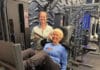
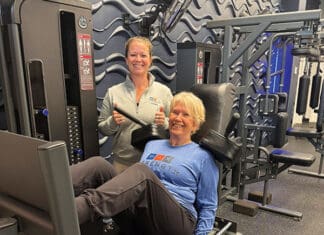
If you are having a hard time fitting in a workout, try MaxStrength Fitness. We offer effective, efficient and safe 20-minute workouts just twice a week. Our science-backed program is designed to deliver results. Call 850-373-4450 in Niceville or 850-467-9729 in Fort Walton Beach for more information.
Arthritis is one of the most common causes of pain and disability in adults, especially as people age. Many people assume that painful joints mean they should avoid exercise and “take it easy.” While rest can help during severe flare-ups, research consistently shows that one of the best long-term treatments for arthritis is strength training. Building muscle not only improves movement and function, but also helps reduce inflammation throughout the body.
Inflammation is a major driver of arthritis pain. In conditions like osteoarthritis and rheumatoid arthritis, the joints become irritated, swollen and stiff. This inflammation can slowly damage cartilage, weaken surrounding tissues and make everyday tasks more difficult. Strength training helps combat this process in several important ways.
First, strength training improves the support system around joints. Muscles act like shock absorbers for the body. When muscles are weak, more stress is placed directly on the joints themselves. Stronger muscles around the knees, hips, shoulders and spine help distribute force more evenly and reduce wear and tear. For example, stronger quadriceps muscles reduce pressure on the knees during walking, stair climbing and standing up from a chair. This often leads to less pain and improved mobility for people with arthritis.
Second, strength training directly lowers inflammation inside the body. Muscle tissue is now recognized as an active organ that releases beneficial substances called myokines during exercise. These compounds help regulate the immune system and reduce chronic inflammation. Regular resistance training has been shown to decrease inflammatory markers such as C-reactive protein and inflammatory cytokines. In simple terms, building muscle changes the body’s chemistry in a positive way.
Strength training also improves body composition, which further reduces inflammation. Excess body fat — especially abdominal fat — produces inflammatory chemicals that can worsen arthritis symptoms. Resistance exercise helps preserve and build lean muscle while reducing fat mass. Even modest improvements in muscle mass and body composition can significantly decrease stress on joints and lower systemic inflammation.
Another major benefit is improved joint stability and balance. Arthritis often causes people to move less because they fear pain or injury. Unfortunately, inactivity leads to muscle loss, stiffness and weaker bones, which can worsen symptoms over time. Strength training reverses this cycle. Stronger muscles improve coordination and joint control, helping people move more confidently and safely. This can reduce falls, improve independence and make daily life easier.
Importantly, strength training does not need to be extreme to be effective. People with arthritis can benefit from controlled resistance exercises using body weight, resistance bands, machines or light free weights. The key is gradual progression and consistency. Exercises should challenge the muscles without excessively irritating the joints.
Many people are surprised that regular strengthening actually decreases pain rather than increasing it. Much of the stiffness people feel in the morning comes from inflammation increasing overnight without movement. This is why movement often feels good. It helps move fluid around the joints. That stiffness is often caused by increased fluid buildup, which takes up joint space and makes movement more difficult. The stronger a person becomes, the less stress placed on the joints, which can decrease swelling and inflammation over time. Over the course of six to eight weeks of adding strength training, many people notice a significant reduction in stiffness.
The benefits extend beyond the joints themselves. Strength training improves energy levels, sleep quality, mood and overall health. Chronic inflammation is linked not only to arthritis, but also to heart disease, diabetes and many other chronic conditions. By improving strength, people often improve their entire health profile.
Ultimately, arthritis is not simply a joint problem. It is strongly influenced by inflammation, muscle weakness and reduced physical function. Strength training addresses all of these factors at once. Stronger muscles protect the joints, reduce inflammation, improve movement and help people maintain an active and independent life.
If you are having a hard time fitting in a workout, try MaxStrength Fitness. We offer effective, efficient and safe 20-minute workouts just twice a week. Our science-backed program is designed to deliver results. Call 850-373-4450 in Niceville or 850-467-9729 in Fort Walton Beach for more information. Weekend Warrior Injuries: Why Your Elbow Is Usually the First to Go (And What to Do About It)
By Dr. Jennifer M. Trendt, Reset Room
You didn’t plan to get hurt. It usually starts with something positive. The weather turns, your schedule opens up, and you decide it’s time to get moving again—pickleball with friends, a few rounds of golf, gardening, or getting back into the gym after some time away.
Then a few days later, it shows up. A dull ache in your elbow. A sharp pull when you grip something. Suddenly, even simple movements like lifting a coffee cup or opening a jar don’t feel quite right.
This is one of the most common patterns we see with weekend warrior injuries—and the elbow is often the first place it appears.
Why the Elbow Takes the Hit
The elbow is a connection point for the muscles that control your wrist and grip. Every swing, lift, or repetitive motion places stress on these tendons. When activity increases quickly, those tissues don’t have time to adapt. That’s when we start to see conditions like tennis elbow, golfer’s elbow, and general tendon irritation. Despite the names, you don’t have to play tennis or golf to develop them. These injuries are extremely common in active adults returning to activity too quickly.
Why It Keeps Coming Back
You rest it for a few days, maybe even a couple of weeks, and it starts to feel better. Then you return to the same activity and the pain comes right back.
That’s because elbow pain often isn’t just inflammation—it’s a tendon issue. Over time, tendons can become irritated and less capable of handling stress. Without proper healing, the tissue temporarily settles down but never fully recovers.
Where SoftWave TRT Fits In
Traditional approaches often focus on masking symptoms, but SoftWave Therapy (TRT) works differently. It helps stimulate your body’s natural healing response at the tissue level. Using targeted acoustic waves, SoftWave can increase circulation, activate cells involved in tissue repair, support tendon healing, and reduce pain without injections or downtime. For tendon injuries, this matters because tendons typically have limited blood flow and heal slowly on their own.
Many patients come in after trying rest, braces, or anti-inflammatory treatments without lasting relief. Often, what’s missing isn’t effort—it’s the right stimulus to help the body repair itself more effectively.
If you’re starting to feel that nagging elbow pain, don’t ignore it and don’t just push through it. That’s usually what turns a small issue into a long-term problem. The goal isn’t to stop being active—it’s to stay active without paying for it later.
Staying active isn’t the problem. Staying healthy while doing it—that’s the goal.
Why It Keeps Coming Back
You rest it for a few days, maybe even a couple of weeks, and it starts to feel better. Then you return to the same activity and the pain comes right back.
That’s because elbow pain often isn’t just inflammation—it’s a tendon issue. Over time, tendons can become irritated and less capable of handling stress. Without proper healing, the tissue temporarily settles down but never fully recovers.
Where SoftWave TRT Fits In
Traditional approaches often focus on masking symptoms, but SoftWave Therapy (TRT) works differently. It helps stimulate your body’s natural healing response at the tissue level. Using targeted acoustic waves, SoftWave can increase circulation, activate cells involved in tissue repair, support tendon healing, and reduce pain without injections or downtime. For tendon injuries, this matters because tendons typically have limited blood flow and heal slowly on their own.
Many patients come in after trying rest, braces, or anti-inflammatory treatments without lasting relief. Often, what’s missing isn’t effort—it’s the right stimulus to help the body repair itself more effectively.
If you’re starting to feel that nagging elbow pain, don’t ignore it and don’t just push through it. That’s usually what turns a small issue into a long-term problem. The goal isn’t to stop being active—it’s to stay active without paying for it later.
Staying active isn’t the problem. Staying healthy while doing it—that’s the goal. The Modern Men’s Health Conversation
By Dr. Karen DeVore
June is Men’s Health Month, and it’s time to broaden the conversation around what men’s health actually means.
For years, it was almost expected that men would only seek care when something became impossible to ignore such as when symptoms disrupted daily life or concern from others became unavoidable. That mindset is starting to shift.
More men are thinking about longevity, prevention, recovery, and performance. They’re paying attention to sleep, nutrition, strength, and how their bodies function before a crisis happens. And that shift matters.
Because many of the issues men experience daily are common, closely tied to overall health, and often more manageable when addressed early.
I hear consistent themes from men across all stages of life and from the people who care about them.
“Why don’t I feel like myself anymore?”
This concern rarely comes out directly. More often, it shows up as fatigue, low motivation, irritability, poor recovery, or unexplained weight gain.
While aging plays a role, what I often see is the cumulative effect of chronic stress, poor sleep, under-recovery, inconsistent nutrition, declining muscle mass, and sedentary work.
Modern life doesn’t support physiology well. Many men are overstimulated, under-recovered, and running at a high level while quietly depleted. Over time, that catches up but the body is often highly responsive with consistent support.
“Why am I gaining weight around my stomach even though I’m trying?”
Abdominal weight gain isn’t just cosmetic; it’s often a metabolic signal.
As muscle declines and stress stays elevated, the body becomes more efficient at storing fat, especially around the midsection. Blood sugar becomes less stable, energy drops, recovery worsens, and cravings increase.
Many men feel like they’re trying, but habits are often more inconsistent than they realize such as skipping meals, under-eating protein, relying on convenience foods, eating late, or cycling between restriction and overeating.
What works better is returning to fundamentals including prioritizing protein, maintaining muscle, walking regularly, strength training, improving sleep, eating consistently, and supporting recovery.
The goal isn’t perfection; it’s consistency and long-term metabolic resilience.
“Why am I exhausted but still sleeping poorly?”
Sleep disruption has become so normalized that many underestimate its impact.
Sleep affects metabolism, recovery, mood, cognition, inflammation, and hormone regulation. Yet many men operate in a chronically sleep-deprived state relying on caffeine, late-night stimulation, alcohol, and inconsistent schedules while expecting optimal performance.
Sometimes the issue is sleep apnea. Sometimes it’s chronic stress or years of running in “go mode” without real recovery. Improving sleep often changes far more than expected.
“Why do I feel more anxious, irritable, or mentally checked out?”
These symptoms are often rooted in physiology as much as psychology.
Brain fog, low motivation, irritability, and anxiety frequently reflect an overloaded system including poor sleep, unstable blood sugar, chronic stress, and inflammation layered onto demanding lives.
Many men are balancing work, family, and responsibility while running on empty. This is where preventive care matters, not because every symptom is serious, but because early understanding can prevent years of unnecessary struggle.
“Why is this starting to matter more now?”
At some point, often in the late 30s, 40s, or 50s, health stops feeling theoretical. Energy changes become more noticeable, recovery slows, and small shifts become harder to ignore.
At the same time, many begin noticing changes in others like aging parents, friends facing health issues, or loved ones dealing with diagnoses that once felt distant.
What was once abstract becomes personal. For many men, this isn’t about fear. It’s about staying capable, present, and well for the people who depend on them.
“How do I know if something is actually wrong?”
The body often signals change long before disease becomes obvious through shifts in energy, sleep, weight, recovery, and lab markers.
That doesn’t mean every symptom is dangerous. But it also doesn’t mean it should be ignored. Paying attention to your health is a practical way to protect long-term quality of life.
The Bigger Picture
Men’s health isn’t about quick fixes or single solutions. It’s about staying strong, protecting metabolic and cardiovascular health, maintaining clarity, preserving muscle and mobility, improving resilience, and building sustainable habits.
It requires a more comprehensive approach looking at how systems interact rather than treating issues in isolation.
Health optimization isn’t just for athletes or people in crisis. It’s for everyday men who want to feel well, function well, and stay ahead of preventable decline.
You don’t need perfection.
You don’t need extremes.
And you don’t need to wait until something breaks.
It starts with awareness, followed by consistent action and the right support to understand what your body is telling you.
June is Men’s Health Month, and it’s time to broaden the conversation around what men’s health actually means.
For years, it was almost expected that men would only seek care when something became impossible to ignore such as when symptoms disrupted daily life or concern from others became unavoidable. That mindset is starting to shift.
More men are thinking about longevity, prevention, recovery, and performance. They’re paying attention to sleep, nutrition, strength, and how their bodies function before a crisis happens. And that shift matters.
Because many of the issues men experience daily are common, closely tied to overall health, and often more manageable when addressed early.
I hear consistent themes from men across all stages of life and from the people who care about them.
“Why don’t I feel like myself anymore?”
This concern rarely comes out directly. More often, it shows up as fatigue, low motivation, irritability, poor recovery, or unexplained weight gain.
While aging plays a role, what I often see is the cumulative effect of chronic stress, poor sleep, under-recovery, inconsistent nutrition, declining muscle mass, and sedentary work.
Modern life doesn’t support physiology well. Many men are overstimulated, under-recovered, and running at a high level while quietly depleted. Over time, that catches up but the body is often highly responsive with consistent support.
“Why am I gaining weight around my stomach even though I’m trying?”
Abdominal weight gain isn’t just cosmetic; it’s often a metabolic signal.
As muscle declines and stress stays elevated, the body becomes more efficient at storing fat, especially around the midsection. Blood sugar becomes less stable, energy drops, recovery worsens, and cravings increase.
Many men feel like they’re trying, but habits are often more inconsistent than they realize such as skipping meals, under-eating protein, relying on convenience foods, eating late, or cycling between restriction and overeating.
What works better is returning to fundamentals including prioritizing protein, maintaining muscle, walking regularly, strength training, improving sleep, eating consistently, and supporting recovery.
The goal isn’t perfection; it’s consistency and long-term metabolic resilience.
“Why am I exhausted but still sleeping poorly?”
Sleep disruption has become so normalized that many underestimate its impact.
Sleep affects metabolism, recovery, mood, cognition, inflammation, and hormone regulation. Yet many men operate in a chronically sleep-deprived state relying on caffeine, late-night stimulation, alcohol, and inconsistent schedules while expecting optimal performance.
Sometimes the issue is sleep apnea. Sometimes it’s chronic stress or years of running in “go mode” without real recovery. Improving sleep often changes far more than expected.
“Why do I feel more anxious, irritable, or mentally checked out?”
These symptoms are often rooted in physiology as much as psychology.
Brain fog, low motivation, irritability, and anxiety frequently reflect an overloaded system including poor sleep, unstable blood sugar, chronic stress, and inflammation layered onto demanding lives.
Many men are balancing work, family, and responsibility while running on empty. This is where preventive care matters, not because every symptom is serious, but because early understanding can prevent years of unnecessary struggle.
“Why is this starting to matter more now?”
At some point, often in the late 30s, 40s, or 50s, health stops feeling theoretical. Energy changes become more noticeable, recovery slows, and small shifts become harder to ignore.
At the same time, many begin noticing changes in others like aging parents, friends facing health issues, or loved ones dealing with diagnoses that once felt distant.
What was once abstract becomes personal. For many men, this isn’t about fear. It’s about staying capable, present, and well for the people who depend on them.
“How do I know if something is actually wrong?”
The body often signals change long before disease becomes obvious through shifts in energy, sleep, weight, recovery, and lab markers.
That doesn’t mean every symptom is dangerous. But it also doesn’t mean it should be ignored. Paying attention to your health is a practical way to protect long-term quality of life.
The Bigger Picture
Men’s health isn’t about quick fixes or single solutions. It’s about staying strong, protecting metabolic and cardiovascular health, maintaining clarity, preserving muscle and mobility, improving resilience, and building sustainable habits.
It requires a more comprehensive approach looking at how systems interact rather than treating issues in isolation.
Health optimization isn’t just for athletes or people in crisis. It’s for everyday men who want to feel well, function well, and stay ahead of preventable decline.
You don’t need perfection.
You don’t need extremes.
And you don’t need to wait until something breaks.
It starts with awareness, followed by consistent action and the right support to understand what your body is telling you. Niceville High Softball Honors America 250 with Custom Military Appreciation Jersey
By Catherine Card, PIO OCSD
As America celebrates its 250th anniversary, Okaloosa County schools are finding meaningful ways to honor both the milestone and local military families. At Niceville High School, the Lady Eagles softball team honors America’s 250th anniversary in a highly visible way. This season, the team unveiled custom-designed Military Appreciation jerseys, paying tribute to America 250 and recognizing the service and sacrifice of military members, veterans, and first responders.
The jerseys feature a bold blue-and-black camouflage design, accented with red, white, and blue elements, along with the official America 250 logo. A custom patch representing all six branches of the United States Armed Forces further reflects the deep respect for military service that defines both the program and the broader Okaloosa community. Special thanks to Niceville parent and veteran Vince Mayfield of Bit-Wizards and TalkingParents, who designed and personally funded the jerseys. His generosity ensured that each player received and kept their own custom jersey. “This is about more than a uniform,” said Head Coach Danny Hensley, a military veteran, teacher, and Air Force Junior ROTC instructor. “It’s about honoring those who have served, recognizing the families who support them, and helping our players understand the importance of service, sacrifice, and community.”
Niceville High School’s annual Military Appreciation Day game is a proud tradition. It features a ceremonial first pitch by an honored veteran, on-field recognition of veterans in attendance, and a presentation of the colors by the Niceville High School Cadet Corps. The color guard carries flags from all six military branches, creating a powerful, patriotic atmosphere. The initiative demonstrates the values the Okaloosa County School District upholds. Every school and the District earned the Purple Star designation, showing a deep and ongoing commitment to support military-connected students and their families. Educators, staff, community partners, parents, and students all foster this culture of support.
While the team continues to excel on the field, recently celebrating Coach Hensley’s 500th career win and building on a state runner-up finish, the program’s impact goes far beyond competition. “These uniforms represent who we are as a community,” said Superintendent Marcus Chambers. “In Okaloosa County, we take great pride in our connection to the military and our responsibility to honor those who serve. The Niceville softball program exemplifies those values through leadership, service, and a deep sense of patriotism.”
As the Lady Eagles compete in the postseason, their America 250 uniforms serve as a visible reminder of the team’s commitment to unity, gratitude, and community pride.
The jerseys feature a bold blue-and-black camouflage design, accented with red, white, and blue elements, along with the official America 250 logo. A custom patch representing all six branches of the United States Armed Forces further reflects the deep respect for military service that defines both the program and the broader Okaloosa community. Special thanks to Niceville parent and veteran Vince Mayfield of Bit-Wizards and TalkingParents, who designed and personally funded the jerseys. His generosity ensured that each player received and kept their own custom jersey. “This is about more than a uniform,” said Head Coach Danny Hensley, a military veteran, teacher, and Air Force Junior ROTC instructor. “It’s about honoring those who have served, recognizing the families who support them, and helping our players understand the importance of service, sacrifice, and community.”
Niceville High School’s annual Military Appreciation Day game is a proud tradition. It features a ceremonial first pitch by an honored veteran, on-field recognition of veterans in attendance, and a presentation of the colors by the Niceville High School Cadet Corps. The color guard carries flags from all six military branches, creating a powerful, patriotic atmosphere. The initiative demonstrates the values the Okaloosa County School District upholds. Every school and the District earned the Purple Star designation, showing a deep and ongoing commitment to support military-connected students and their families. Educators, staff, community partners, parents, and students all foster this culture of support.
While the team continues to excel on the field, recently celebrating Coach Hensley’s 500th career win and building on a state runner-up finish, the program’s impact goes far beyond competition. “These uniforms represent who we are as a community,” said Superintendent Marcus Chambers. “In Okaloosa County, we take great pride in our connection to the military and our responsibility to honor those who serve. The Niceville softball program exemplifies those values through leadership, service, and a deep sense of patriotism.”
As the Lady Eagles compete in the postseason, their America 250 uniforms serve as a visible reminder of the team’s commitment to unity, gratitude, and community pride.
Hurricane Safety Tips from Florida Power & Light
It is not a matter of if, but when the next hurricane will hit our state, which is why it’s important to be proactive in planning for the six-month-long hurricane season.
Whether you’re a longtime Floridian or new to the state, having a plan in place is the best way to stay safe this storm season. Below is a list of what you can do before, during and after a storm.
What is a Hurricane Emergency Plan?
What Should a Hurricane Emergency Kit Contain?
- Determine whether your home or business is located in a flood or evacuation zone and review local evacuation routes.
- Determine your backup power source or make arrangements to relocate if a storm warning is issued.
- The Division of Emergency Managementrecommends that drivers keep their gas tanks at least half full throughout hurricane season. Electric vehicle (EV) owners should aim to maintain a charge between 50% and 80% at all times.
- Reach out to your local emergency management office if you or anyone you know has special medical needs, in case of evacuations. Apply for our Medically Essential Service designation if someone in your home relies on electric-powered equipment.
What Should a Hurricane Emergency Kit Contain?
- Build an emergency kit with non-perishable food, bottled water, flashlights, batteries, medications, and a first-aid kit. Don’t forget phone chargers, power banks, and a waterproof container for important documents.
- Don’t forget information such as include insurance policies, health cards, birth certificates, Social Security cards, a list of emergency contacts, and a recent copy of your FPL bill.
- Install approved hurricane shutters over windows and doors or using alternate covering such as plywood.
- Move patio furniture and outdoor items indoors, fasten doors and windows, and cover valuables and furniture with plastic and move away from windows.
- Turn off and unplug unnecessary electronics, including pool equipment, and set your refrigerator and freezer to their coldest settings to keep food fresh longer during an outage.
- DO NOT attempt to trim trees or vegetation near overhead power linesyourself – only hire qualified professionals to trim trees and other vegetation near power lines. • Visit FPL.com/treesfor more information on our tree trimming policies.
- Look up and note the location of power lines before you begin working on a ladder. Be sure that any ladders or scaffolds are far enough away so that you – and the ends of the tools you’re using – don’t come within 10 feet of power lines.
- If you’re planning to use a portable generator, read and follow all the manufacturer’s instructions. Be sure to set it up outside – not in your home or garage – and connect appliances directly to it. Do not wire your generator directly to your home’s breaker or fuse box, as the power you generate may flow back into power lines and cause injuries.
- Stay far away from and do not touch any downed power lines or flooded and debris-laden areas that may be hiding downed power lines.
- Bookmark FPL.comand save 1-800-4-OUTAGE (1-800-468-8243) to your cell phone to report and check the status of your restoration.
- Stay informed by following your local news and @insideFPLfor updates on storm conditions and heed warnings.
- FPL works year-round to be ready for severe weather and urges customers to prepare by making safety a priority this storm season. For more tips, visit FPL.com/storm.
Built to Last: Dirty N Sturdy Fencing Raises the Standard on the Emerald Coast
By Jonathan & Brittany Younker
When it comes to fencing along the Emerald Coast, there’s one thing Dirty N Sturdy Fencing hears all the time: “What makes y’all different?” The answer is simple — the company is proud to be one of the only fencing companies in the area building with metal posts as its standard. While most people notice the pickets and panels above ground, the real strength of a fence starts below it.
Traditional wood posts can rot, shift and weaken over time, especially with Florida’s heat, humidity, storms and sandy soil. That’s why Dirty N Sturdy uses metal posts instead. They are stronger, longer-lasting and built to withstand the unpredictable Gulf Coast weather. Best of all, the price difference is often minimal, while the durability difference is significant.
Dirty N Sturdy Fencing is a veteran-owned, family-operated business proudly based on the Emerald Coast. The company specializes in residential and commercial fencing, including wood, vinyl, chain link and aluminum installations, as well as repairs, staining, cleaning and maintenance plans designed to keep fences looking their best year-round.
What began as a small family business quickly grew through word-of-mouth referrals, hard work and a commitment to quality craftsmanship. The team believes in clear communication, honest proposals and treating every project as if it were for their own home.
At the end of the day, fences are about more than property lines — they provide privacy, security, safety and curb appeal. Whether homeowners need a simple repair or a fully custom build, Dirty N Sturdy Fencing is ready to help.
After all, they’re on the fence about a lot of things — except quality.
850-407-2128 | dirtynsturdyfencing.com
What began as a small family business quickly grew through word-of-mouth referrals, hard work and a commitment to quality craftsmanship. The team believes in clear communication, honest proposals and treating every project as if it were for their own home.
At the end of the day, fences are about more than property lines — they provide privacy, security, safety and curb appeal. Whether homeowners need a simple repair or a fully custom build, Dirty N Sturdy Fencing is ready to help.
After all, they’re on the fence about a lot of things — except quality.
850-407-2128 | dirtynsturdyfencing.com 2026 Okaloosa County Mosquito Control Schedule
The Okaloosa County Mosquito Control Program’s schedule for broadcast pesticide spraying, aimed at controlling adult mosquito populations, is outlined below. You’ll also find weblinks to maps showing the general treatment areas organized by days of the week. Spraying takes place in the evening and, per State Law, must be justified. Justification is accomplished though mosquito population surveillance data and other State approved methods. The schedule may shift due to weather conditions or equipment problems. Treatments are set to start at sunset.
Map Link for Nicevile area:
South Okaloosa County – Niceville Area https://myokaloosa.com/sites/default/files/users/pwuser/SouthCountyNicevilleArea2.pdf
MONDAYS:
Wynnehaven Beach, Florosa and Valparaiso
TUESDAYS:
Airport Rd to Destin Bridge, Mary Esther/Fort Walton Beach and Bluewater Bay
WEDNESDAYS:
Streets off of Lewis Turner Blvd to Carmel Dr, Rocky Bayou, Fort Walton Beach from Brooks Bridge to Memorial Pkwy
THURSDAYS:
Shalimar, Ocean City, Mooney Rd area and Niceville
Okaloosa County Mosquito Control and the Florida Department of Health urge the public to remain diligent in their personal mosquito protection efforts. These should include remembering to “SWAT.”
- Stay inside with screened doors and windows when mosquitoes are biting (dusk and dawn).
- When outside, wear clothing that covers skin.
- Apply mosquito repellant that includes DEET [N, N diethyl-m-toluamide] on your skin when you are outside
- Turn over standing water where mosquitoes lay eggs or rid your outdoor area of standing water in which mosquitoes can lay their eggs.
- Drain water from garbage cans, house gutters, buckets, pool covers, coolers, children’s toys, flower pots or any other containers where sprinkler or rain water has collected.
- Discard tires*, drums, bottles, cans, pots and pans, broken appliances and other items that aren’t being used.
- Empty and clean birdbaths and pets water bowls at least once or twice a week.
- Protect boats and vehicles from rain with tarps that don’t accumulate water.
- Maintain swimming pools in good condition and appropriately chlorinated. Empty plastic swimming pools when not in use.