














































By Kassia Garfield, MaxStrength Fitness

If you’ve spent any time reading health headlines lately, you’ve probably seen creatine making a comeback, it is quite the hot topic. Once viewed as a supplement reserved for bodybuilders and elite athletes, creatine is now one of the most researched supplements for healthy aging. Scientists are discovering that when paired with regular strength training, creatine may help older adults preserve muscle, improve physical function, recover faster from sleep deprivation and possibly support brain health.
The key phrase, however, is paired with strength training.
Creatine is not a magic powder. It works best when it supports muscles that are being challenged through resistance exercise.
Muscle Is More Than Strength—It’s Brain Insurance
One of the most exciting discoveries over the past decade is the connection between muscle and the brain. Researchers now describe skeletal muscle as an endocrine organ, meaning it releases signaling molecules called myokines that communicate directly with the brain, heart, bones and immune system.
Large population studies consistently show that people with greater muscle strength have a lower risk of cognitive decline and dementia. Grip strength, leg strength, and overall muscle mass have all been associated with healthier brain aging. While no single exercise prevents Alzheimer’s disease, maintaining muscle appears to be one of the strongest lifestyle predictors of preserving cognitive function as we age. Resistance training has also been shown to improve memory, executive function, and overall cognition in both healthy older adults and those already experiencing mild cognitive impairment.
Why? Exercise improves blood flow to the brain, reduces chronic inflammation, stimulates growth factors such as brain-derived neurotrophic factor (BDNF), and helps maintain insulin sensitivity—all factors linked to healthier brain function.
Where Creatine Fits In
Creatine is naturally produced by the liver and kidneys and is also found in foods like beef and fish. Approximately 95% of the body’s creatine is stored in skeletal muscle, where it helps rapidly regenerate ATP—the body’s immediate source of energy during short bursts of activity.
As we age, natural creatine stores and muscle mass gradually decline. This contributes to sarcopenia, the age-related loss of muscle that can reduce mobility, independence, and overall quality of life.
Multiple meta-analyses have found that older adults who combine creatine supplementation with resistance training gain more lean muscle mass and greater strength than those who strength train alone. Average improvements include approximately 1–1.5 kg (2–3 pounds) of additional lean mass along with greater improvements in upper- and lower-body strength.
Importantly, studies show that creatine by itself produces relatively modest benefits. The greatest improvements occur when muscles are consistently challenged through progressive resistance exercise.
Think of strength training as planting the seed. Creatine simply helps fertilize the soil.
Could Creatine Help the Brain?
This is where current research becomes especially interesting.
Because the brain also requires tremendous amounts of energy (almost 60% of oxygen consumption is our nervous system), scientists have begun studying whether increasing creatine availability may improve cognitive performance in older adults. Early evidence suggests creatine may enhance memory, attention, and mental performance—particularly in older adults or during periods of increased mental stress.
However, the evidence is still developing. Recent systematic reviews conclude that while several studies report improvements in cognitive function, more large, high-quality clinical trials are needed before creatine can be recommended specifically as a dementia prevention strategy.
What is much clearer is that resistance training itself has a well-established positive effect on brain health. If creatine enhances a person’s ability to build muscle, train harder, and maintain independence, it may indirectly contribute to healthier cognitive aging.
A Simple Formula for Healthy Aging
Healthy aging isn’t about chasing the latest supplement trend. It’s about combining proven habits that work together.
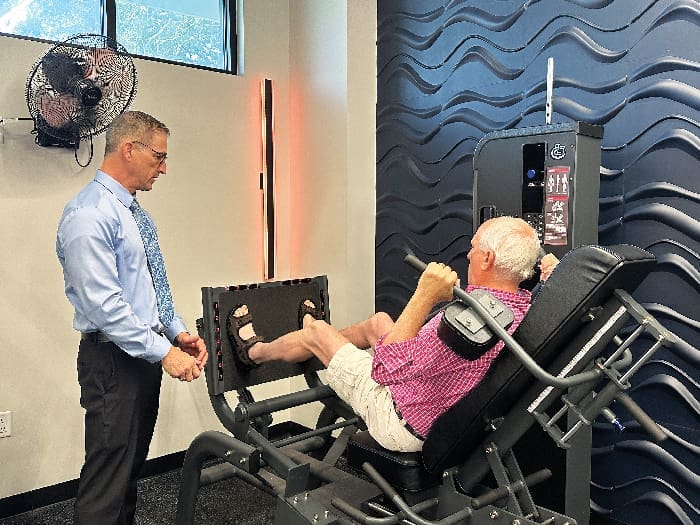
Strength training two to three times per week remains one of the most effective interventions for preventing age-related muscle loss, improving balance, maintaining bone density, and supporting cognitive health. Adding approximately 3–5 grams of creatine monohydrate daily may provide an additional boost for muscle growth and strength in many healthy older adults, especially when paired with adequate dietary protein. Individuals with kidney disease or other medical conditions should consult their healthcare provider before beginning supplementation.
The conversation around creatine is exciting, but the real headline isn’t the supplement itself.
The real breakthrough is our growing understanding that preserving muscle may also help preserve the brain. As researchers continue to explore the muscle-brain connection, one message is becoming increasingly clear: lifting weights isn’t just about staying strong enough to carry groceries. It may be one of the most powerful investments we can make in protecting our independence, our memory, and our quality of life for decades to come.
If you are looking to jumpstart your fitness journey, try MaxStrength Fitness. We do effective, efficient and safe 20-minute workouts, just twice a week. We deliver results with a science backed program. Give us a call at 850-373-4450 (Niceville) or 850-467-9729 (Fort Walton Beach)!