















































By Teresa Halverson, Dir. of Business Development & Community Relations

Caring for an aging loved one is one of life’s greatest acts of love. It can also be one of the most challenging. Many families struggle with knowing when occasional help is no longer enough and when professional care could improve their loved one’s safety, health, and quality of life.
Recognizing the signs early can prevent unnecessary hospitalizations, reduce caregiver stress, and help seniors maintain the highest possible level of independence. Many families wonder if they’re doing enough to help an aging loved one. Recognizing the signs early can make all the difference in preventing falls, avoiding hospitalizations, and improving quality of life.
What are some signs that your loved one may need more support?
Frequent Falls:
One fall can change everything. If your loved one has fallen, is unsteady on their feet, or avoids walking because they are afraid of falling, it may be time for professional assessment and rehabilitation services. Look for these signs:
✔ Falling more often
✔ Holding onto furniture while walking
✔ Afraid of falling
✔ Becoming less active because of poor balance
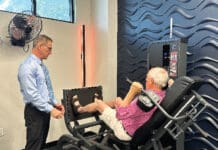
Physical therapy and rehabilitation can help improve strength, balance, and confidence. The Manor at Blue Water Bay offers in-patient and out-patient therapy.
Increased Hospital and/or Emergency Room Visits:
Repeated hospitalizations or emergency room visits often indicate that additional nursing care, medication management, and rehabilitation are needed to promote recovery and prevent future complications.
Difficulty Managing Medications:

Missing doses, taking medications incorrectly, or forgetting prescriptions can lead to serious health issues. Skilled nursing professionals can help ensure medications are taken safely and correctly. Did you know that medication mistakes are one of the leading causes of hospital visits among older adults? Warning signs may include:
• Missed doses
• Taking medications at the wrong time
• Confusion about prescriptions
• Running out of medications
Professional nursing support can help keep medications safe and effective.
Declining Mobility:
If getting out of bed, walking, climbing stairs, or performing everyday tasks has become difficult, physical and occupational therapy may help restore strength and independence.
Changes in Memory or Judgement:
Signs that Memory May Be Changing
Forgetting appointments, becoming confused, wandering, or making unsafe decisions may indicate the need for additional supervision and support. Things to look for include:
- Frequently repeating the same questions or stories.
- Forgetting recent conversations or appointments.
- Misplacing items and being unable to retrace steps.
- Difficulty remembering names of familiar people or places.
- Losing track of dates, seasons, or time.
- Getting confused in familiar locations. Experiencing difficulties in daily living activities.
- Needing increasing reminders for everyday tasks.
- Difficulty following recipes, instructions, or conversations.
Signs That Judgment May Be Changing
- Poor financial decisions or giving away large amounts of money.
- Falling for scams or telemarketing calls.
- Wearing inappropriate clothing for the weather.
- Neglecting personal hygiene or grooming.
- Forgetting to take medications or taking them incorrectly.
- Leaving the stove on or forgetting food is cooking.
- Driving unsafely or getting lost while driving.
- Making impulsive or risky decisions that are out of character
These changes often happen gradually. Receiving extra support can help seniors remain safe while maintaining their dignity and independence.
Caregiver Burnout:
Now, let’s talk about caregiver burnout. Family caregivers often put their own health last. Feeling exhausted, overwhelmed, anxious, or unable to keep up with caregiving responsibilities is a sign that additional support may benefit both you and your loved one.
Seeking Help is a Sign of Strength:
Many families worry that asking for help means they are giving up. Seeking additional care is an act of compassion. Professional skilled nursing and rehabilitation services work alongside families to provide expert medical care, therapy, and support while helping loved ones recover, regain independence, and live as safely as possible. Watch for these signs:
- Feeling constantly tired, even after sleeping
- Increased anxiety, stress, or depression
- Irritability or mood swings
- Difficulty concentrating or making decisions
- Changes in appetite or sleep patterns
- Feeling isolated or withdrawing from family and friends
- Losing interest in hobbies or activities once enjoyed
- Frequent headaches, body aches, or illness
- Feeling guilty, resentful, or hopeless
- Neglecting your own health appointments or medications
You are Not Alone! Taking care of yourself is essential—not selfish.
If you’re beginning to wonder whether your loved one needs more care, trust your instincts. Having a conversation early can make all the difference. Our team is here to answer your questions, discuss available options, and help you determine the level of care that’s right for your family.
At The Manor at Blue Water Bay, we are committed to providing compassionate, personalized post-acute rehabilitation and skilled nursing care that helps patients recover with confidence while giving families peace of mind. Now offering professional physician consultations and oversight for Cardio, Physiatry, Nephrology, Neurology and in-house Palatine Care programs. Call us today for a tour and additional information on how our team of professionals can help.
850-897-5592 | wecare@manoratbwb.com
The Manor at Blue Water Bay | 1500 N. White Point Rd. | Niceville