


















































By Kassia Garfield, MaxStrength Fitness
Cancer treatment has traditionally focused on surgery, chemotherapy, radiation and medications. However, growing research shows that one of the most important predictors of cancer outcomes may be something much simpler: muscle mass and physical strength. Strength is no longer viewed as just a fitness measure. It is increasingly recognized as a marker of resilience, recovery potential and overall health during cancer treatment.
Muscle plays a critical role in how the body responds to stress and illness. During cancer treatment, the body experiences increased inflammation, metabolic demand, fatigue and tissue breakdown. Patients with greater muscle mass often tolerate these physical demands more effectively than those with low muscle mass, a condition known as sarcopenia. In fact, sarcopenia has become a major concern in oncology because it is associated with higher complication rates, longer hospital stays, reduced treatment tolerance and increased mortality.
One reason muscle is so important is that it serves as the body’s reserve system. During illness, the body relies on stored nutrients and protein to maintain immune function, heal tissues and preserve organ function. Individuals with more muscle mass have a larger reserve available to withstand the intense physical stress caused by cancer and its treatments. Patients with very low muscle mass can decline more rapidly because they have fewer resources to support recovery.

Research has shown that cancer patients with greater strength and muscle mass often recover faster after surgery. Procedures such as tumor removal, bowel surgeries, mastectomies and orthopedic cancer surgeries place enormous stress on the body. Stronger patients are more likely to get out of bed earlier, regain mobility faster and participate more effectively in rehabilitation. They also tend to experience fewer postoperative complications such as infections, pneumonia and falls.
Strength also appears to influence how well patients tolerate chemotherapy and radiation treatments. Many cancer therapies cause fatigue, weakness and muscle wasting. Patients who begin treatment already weak or frail often struggle to complete treatment plans because their bodies cannot tolerate the side effects. On the other hand, patients with better baseline strength and fitness levels are often able to maintain activity levels, recover between treatments more effectively and preserve independence throughout the process.
Another emerging area of research is the relationship between exercise and cancer risk reduction. Regular resistance training and physical activity are associated with a lower risk of several cancers, including colon, breast and endometrial cancers. Exercise helps regulate hormones, improve insulin sensitivity, reduce chronic inflammation and support immune function, all of which may contribute to reduced cancer risk. While exercise is not a guarantee against cancer, maintaining strength and muscle mass appears to create a healthier internal environment that may reduce risk factors associated with disease development.
The health care community is increasingly embracing the concept of “prehabilitation,” which involves improving a patient’s strength and conditioning before surgery or cancer treatment begins. Rather than waiting until after treatment to rebuild strength, clinicians now recognize that entering treatment stronger often leads to better outcomes afterward. Even small improvements in strength and endurance before treatment can make a meaningful difference during recovery.
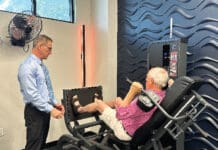
Importantly, building or maintaining strength during cancer treatment does not require extreme exercise. Programs are typically individualized and may include walking, resistance bands, light weights or supervised strength training. The goal is not athletic performance but preserving muscle, mobility and function during one of the body’s most difficult challenges.
Ultimately, muscle mass and strength are becoming recognized as critical components of cancer prevention, treatment tolerance and recovery. Strength is not simply about appearance or fitness; it is a powerful indicator of the body’s ability to endure, recover and heal.
If you are having a hard time fitting in a workout, try MaxStrength Fitness. We offer effective, efficient and safe 20-minute workouts just twice a week. Our science-backed program delivers results. Give us a call at 850-373-4450 (Niceville) or 850-467-9729 (Fort Walton Beach).