
































“Before you schedule the surgery, ask a better question: Is there a way to help my body heal first?”
When did surgery become the first conversation instead of the last resort?
Every week, I meet people who have been told their only real option for chronic joint or soft tissue pain is an injection… or a surgical consult. Rotator cuff irritation. Chronic knee pain. Plantar fasciitis that just won’t calm down. Lingering hip or low back injuries. They’re frustrated. They’re active. And they’re not ready to go under the knife.
That’s where SoftWave Tissue Regeneration Technology (TRT) comes in.
SoftWave TRT is an advanced acoustic wave therapy designed to stimulate the body’s own healing response. It uses high-energy sound waves that penetrate injured tissue and trigger biological repair processes. These waves increase blood flow, recruit stem cells, reduce inflammation, and help restart stalled healing cycles. This regenerative response has been increasingly supported in orthopedic and sports medicine research.
In simple terms? It helps your body fix what it hasn’t been able to fix on its own.
Unlike surgery, SoftWave is non-invasive. There are no incisions. No anesthesia. No downtime. Treatments are performed in-office, and most patients walk out and go right back to their day. For many people trying to avoid surgery, that matters.
Take one of my recent patients, an avid recreational dancer. Chronic pain in both knees had limited her ability to move and disrupted her sleep for months. Instead of an orthopedic consult, she chose to try SoftWave first. After the very first treatment, she felt a noticeable difference. By the end of her third treatment, her pain had significantly decreased, her range of motion improved, and she was back on the dance floor — without surgical intervention. She went from dancing only a few hours each week to several hours each night. She was even able to travel to Peru for 14 days to compete in an international competition.
Is SoftWave TRT a miracle cure? No. But it is a powerful regenerative tool when applied appropriately.
SoftWave is commonly used for tendon and ligament injuries, joint degeneration, plantar fasciitis, muscle strains, and chronic inflammatory conditions. It works especially well for patients who feel stuck — those who’ve tried rest, medications, injections, or traditional therapy without lasting results.
At The Reset Room, we don’t jump straight to surgery conversations. We evaluate. We assess movement. We look at the root cause. And when appropriate, we use technologies like SoftWave TRT to help patients heal rather than simply manage pain.
Surgery has its place. There are times when it is necessary and appropriate. But it should not be the automatic next step for every musculoskeletal issue.
Too often, people are told to “wait until it gets worse” or move straight toward injections
and procedures without first exploring regenerative options. That mindset is outdated.
If you’re active, motivated, and not ready to accept that pain is just part of aging, there might be another path.
SoftWave TRT offers a way to support healing, restore function, and stay in the game —
without incisions, anesthesia, or long recovery timelines. Healing is possible. Sometimes it just needs the right signal.
About the Author
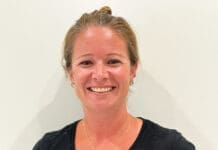
Dr. Jennifer Trendt is a chiropractor and founder of The Reset Room, a chiropractic and regenerative therapy studio specializing in non-surgical solutions for joint and soft tissue injuries. She focuses on movement restoration and advanced technologies such as SoftWave Tissue Regeneration Technology (TRT).