











































Home Blog Page 317

57th Annual All Sports Banquet

The best food. The best company. The best cause.

By Doug “Doc” Stauffer

More than 1,200 people filled the Destin-Fort Walton Beach Convention Center for the 57th Annual All Sports Association Awards Banquet—an evening that has become a signature event across Okaloosa and the surrounding counties.

If you love sports and need a shot in the arm for America’s future…

If you love reconnecting with old friends and making new ones…

If you enjoy watching one of the greatest live auctions anywhere on the Emerald Coast…

All Sports Banquet is the place to be.

From business leaders and coaches to educators, elected officials, former pros, and rising stars, it truly was a “Who’s Who” of our region—all gathered for one purpose: celebrating athletic excellence and strengthening youth opportunities through sports.

A Hall of Fame Message
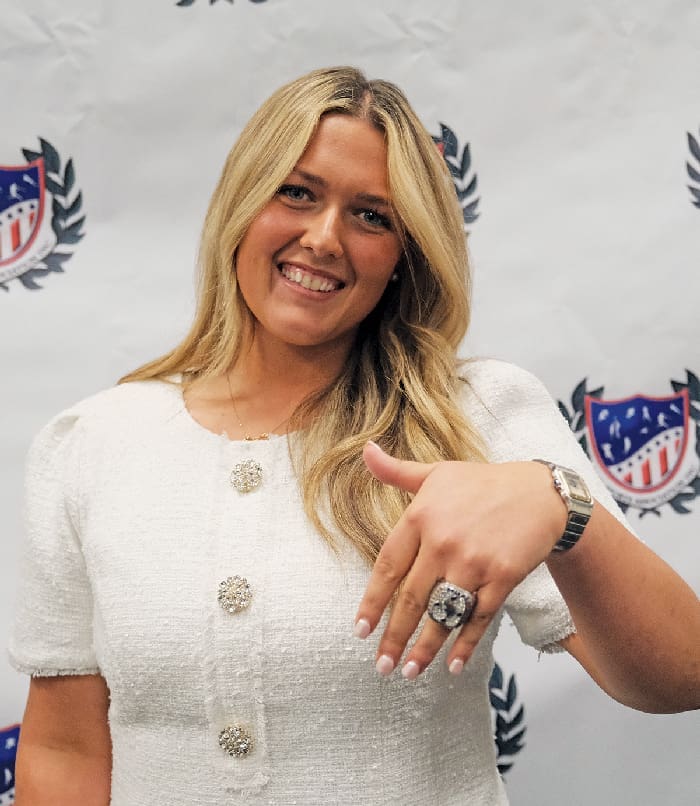
All Sports National Champ Ring (2)

NFL Hall of Famer Derrick Brooks served as the keynote speaker, delivering a powerful message on leadership, perseverance, discipline, and service. His words resonated deeply, perfectly capturing the spirit of the evening—success on the field means little without character off it.

The Association extended sincere thanks to Brooks for not only sharing his journey, but for continuing to invest in communities and young athletes long after his playing days.

Honoring a Legacy of Service

One of the most meaningful moments of the night was the presentation of the 2026 Colonel Al Byrne Award to Taylor Grigsby of the Okaloosa County Tax Collector’s Office. The award recognizes individuals who uplift local youth through athletic support, mentorship, and strong community values. Taylor’s dedication reflects the enduring legacy of Colonel Byrne and his lifelong commitment to young people.

Celebrating the Region’s Best
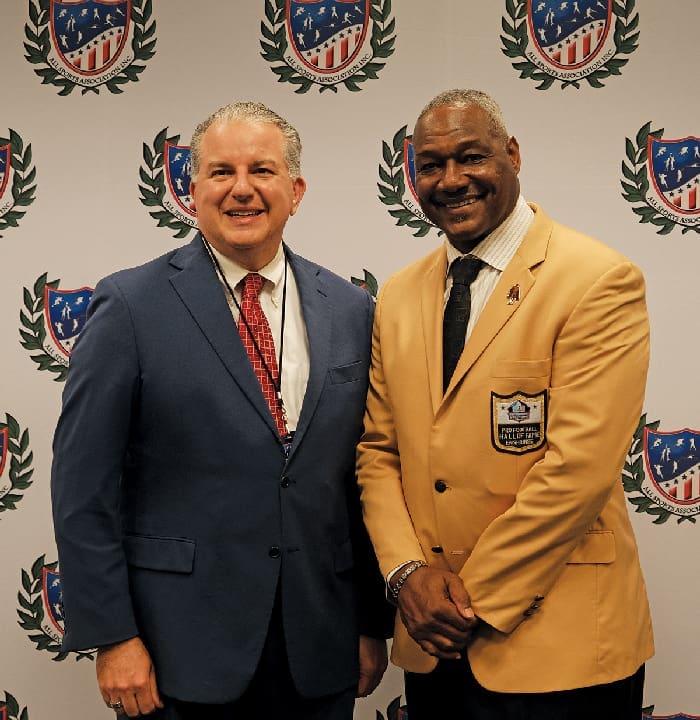
All Sports Congressman Patronis (2)

Since 1970, the All Sports Association has brought together the finest athletes in Northwest Florida. Each February, the banquet honors the area’s top high school, collegiate, amateur, professional, and Special Olympic athletes.

This year’s honorees included:

  • Wuerffel Trophy: Michael Taaffe (University of Texas)
  • Professional Award: Alex Ward (Las Vegas Raiders)
  • Male Collegiate Award: Jayce Brown (LSU)
  • Female Collegiate Award: Gracie Grant (Dallas Baptist University)
  • Taylor Haugen Trophy: Harper Campbell (Niceville High School)
  • Amateur Award: Coleman Borthwick (South Walton High School)
  • Male Scholastic Award: Deacon Avery (Niceville High School)
  • Female Scholastic Award: Izzy Douglas (Fort Walton Beach High School)
  • Special Olympian Award: Ethan McCormick (Navarre High School graduate)

The Taylor Haugen Trophy, established in 2009 in memory of Taylor Reid Haugen, continues to remind our community of the motto that defines the award: Don’t Quit. Never Give Up.

More Than a Banquet

The All Sports Association is made up of dues-paying volunteers whose mission is simple but powerful: raise funds for local youth-oriented nonprofit organizations with an emphasis on sports programs.

Through the annual banquet and summer golf tournament, the Association supports:

  • Boys & Girls Club of the Emerald Coast
  • Special Olympics Florida – Okaloosa
  • Eleanor J. Johnson Youth Center
  • Okaloosa Walton FCA

For more than five decades, this event has proven that athletics is about more than trophies. It is about character, discipline, teamwork, and opportunity.

The All Sports Association believers extend a heartfelt thanks to every attendee, sponsor, volunteer, and supporter. This night would not be possible without those who believe in the power of sports to transform lives beyond the field. And judging by the crowd of 1,200 strong—Northwest Florida still believes.

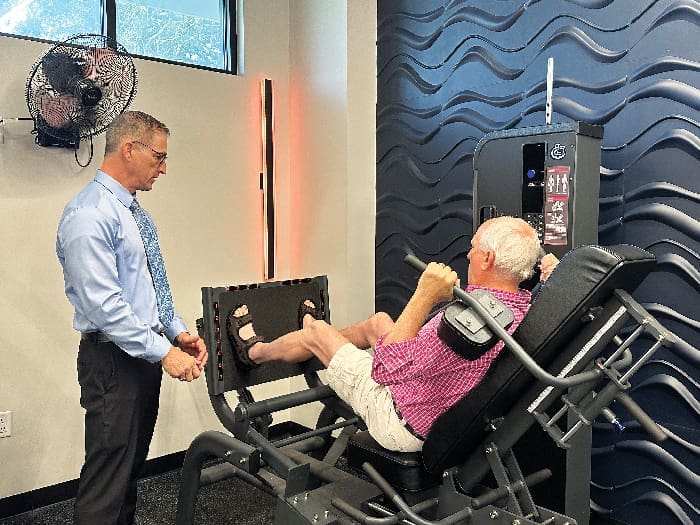
Sarcopenia: The Silent Muscle Loss That Comes With Age – and Why Walking Is Not Enough

By Kassia Garfield, owner, MaxStrength Fitness

Max Strength Fitness Kassia Garfield

As people age, wrinkles and gray hair are expected. What often goes unnoticed, however, is a quieter change happening beneath the surface: the gradual loss of muscle mass, known medically as sarcopenia. This age-related condition affects millions of adults worldwide and plays a major role in declining strength, balance problems, and loss of independence later in life. Kassia Garfield, Owner of MaxStrength Fitness of Niceville, often talks about how quickly the changes happen. Garfield says, “I always feel like the bad guy, telling people walking isn’t enough. We have to add stress to the body, and “overload.” This is when we do more than normal, so the body adapts to new stress. This doesn’t happen with walking.”

Sarcopenia typically begins earlier than many realize. Research shows that adults start losing muscle mass as early as their 30s, with the rate of decline accelerating after age 60 to be 10% a decade. By the time someone reaches their 70s or 80s, significant muscle loss can make everyday activities—such as climbing stairs, carrying groceries, or getting up from a chair—far more difficult. In your 80s, not loosing muscle is a win. But anyone who puts the time into heavy resistance training can build muscle, at ANY AGE!

Muscle loss is not simply cosmetic. Skeletal muscle is essential for mobility, posture, and joint protection. It also plays a key role in metabolism, helping regulate blood sugar and maintain healthy body weight. As muscle mass decreases, the risk of falls, fractures, diabetes, and cardiovascular disease increases. Many research studies show that increase in muscle mass has long term effects on longevity, but also speeds recovery from surgery or cancer.

Max Strength Fitness 1

Several factors contribute to sarcopenia. Hormonal changes that occur with aging reduce the body’s ability to build and maintain muscle. Nerve signals that activate muscle fibers weaken over time. Chronic inflammation and inadequate protein intake also play a role. But perhaps the most influential factor is lifestyle—particularly physical inactivity. For some people it is a lack of knowledge (this is when you need to seek out some help!).

A comparison of muscle mass across the lifespan shows a stark contrast between people who remain physically active and those who do not. Individuals who engage in regular strength training tend to maintain a much higher percentage of their muscle mass well into older age. While some decline is inevitable, the slope is far gentler. In contrast, people who avoid resistance exercise often experience a steep drop in muscle mass after midlife, leading to greater weakness and functional limitations.

The good news is that sarcopenia is not inevitable. Studies consistently show that resistance training—such as lifting weights, using resistance bands, or performing bodyweight exercises—can slow, stop, and even partially reverse muscle loss at almost any age. Older adults who begin strength training see improvements in muscle size, strength, balance, and confidence, sometimes within just a few months. As a physical therapist Garfield says, “Please just do something! It’s not going to get easier later, a little bit can go a long way. Some studies show even one year of intense training can increase muscle mass for four years after!”

Nutrition also plays a critical role. Adequate protein intake provides the building blocks muscles need to repair and grow. Experts recommend spreading protein intake evenly throughout the day, with particular emphasis on meals following exercise.

Perhaps most importantly, it is never too late to start. While muscle loss accelerates with age, the body remains remarkably adaptable. Even people in their 70s, 80s, and beyond can gain strength with the right training and guidance.

As awareness of sarcopenia grows, health professionals increasingly emphasize strength training as a cornerstone of healthy aging. The message is simple but powerful: while everyone loses some muscle over time, we have a say in how much we lose and how fast it happens. Staying active today can mean greater independence, mobility, and quality of life tomorrow.

If you are having a hard time fitting in a workout, try MaxStrength Fitness. We do effective, efficient and safe 20-minute workouts, just twice a week. We deliver results with a science backed program. Give us a call at 850-373-4450!

Spring is Season of Renewal, Healing, and Fresh Starts

How Short-Term Rehab Helps Seniors Return Home Safely

By Teresa Halverson, Dir. of Business Development/Community Relations, The Manor at Blue Water Bay

Spring is a great time to focus on renewal, recovery, and independence. For seniors, the season naturally encourages gentle movement, fresh air, and mental rejuvenation, all of which are important for recovery after surgery, illness, or a fall.

Recovering after a hospital stay can be challenging for anyone, especially seniors. Short-term rehabilitation, also known as post-acute rehab, provides the support and therapy seniors need to regain independence and return home safely.

Nurse iStock 1400388878

What is Short-Term Rehab?

Short-Term rehab is a focused, time-limited program that normally takes place in a skilled nursing and rehab facility.  The goals of short-term rehab are to restore strength, mobility, and daily living activities so that seniors can safely manage and return home.

Short-term rehab includes:

  • Physical Therapy to rebuild strength and improve balance
  • Occupational Therapy to practice daily activities of living (cooking, dressing, bathing, etc.)
  • Speech Therapy for swallowing, communication, or cognitive changes
  • Nursing care  and monitoring to ensure proper medication management and prevent complications

Why Short-Term Rehab Matters

After an acute care stay in a hospital, seniors may face:

  • Weakness or reduced mobility
  • Risk of falls or injury
  • Difficulty managing medications or chronic conditions
  • Decreased confidence in performing everyday tasks

Short-Term rehab addresses these challenges with structured therapy, skilled supervision, and personalized care.

Ways Rehab Helps Seniors Return Home Safely

  • Restoring Strength and Balance:  Physical Therapists create individualized programs to increase muscle strength and balance, reducing fall risk.
  • Relearning Activities of Daily Living (ADLs):  Occupational Therapists help seniors practice essential tasks ( those task we normally take for granted)- cooking, dressing, and bathing  These skills help seniors live independently in the community while staying safe.
  • Monitoring Health and Medications:  Nursing staff track vital signs, manage medications, and what for signs and symptoms of potential complications, preventing rehospitalization.
  • Discharge Planning: Dedicated rehab teams plan for a smooth transition back home including home safety modifications, medical equipment, caregiver training, and referrals to Out-Patient Rehab, Home Health, and Caregiver agencies.
  • Boosting Confidence: Short-term rehab encourages seniors to regain confidence in their abilities, supporting emotional and well-being alongside physical recovery.

Signs Short-Term Rehab May Be Needed

  • Difficulty waking or standing without assistance
  • Trouble completing everyday tasks independently
  • Weakness or fatigue that prevents one from living at home safely
  • Need for continued therapy after surgery or hospitalization

Choosing the Right Rehab Facility (look for a facility that offers)

  • Experienced therapists and skilled nursing staff
  • Personalized, goal-oriented rehab programs
  • A safe and supportive environment
  • Strong communications with families and healthcare providers
  • Specialized therapies and oversight include:
    • Cardiac Recovery Program: Gradually increase stamina for longer walking distances or standing periods; promote circulation to aid healing and prevent blood clots; incorporate low-impact cardiovascular exercises if appropriate.
    • Stroke Recovery Program: Improve coordination and motor control on the affected side; regain gain and posture to prevent falls; strengthen cognitive-motor skills for dual tasks like walking and talking.
    • Orthopedic Rehab Program (hip replacements/fractures, knee and spinal)-
    • Pulmonary Rehab for respiratory conditions: Breathing exercises to strengthen lungs; low impact cardiovascular activities (walking, cycling, light resistance training).
    • Balance and Fall Prevention: Exercises for static and dynamic balance; teach strategies to recover from loss of balance; introduce safe home modifications for reduced fall risk.
    • Post-Surgical/Wound Monitoring and Care:  Tailored exercise programs for joint replacement, fracture repair, or abdominal surgeries; Regular assessment for redness, swelling, drainage, or unusual odors. Pain control strategies include prescribed medications, ice/heat packs, or elevation.  Encouraging safe movement to prevent stiffness without compromising wound healing.

The Bottom Line

Short-term rehab is a bridge between hospital and home. With structured therapy, professional supervision under the direction of physicians, and personalized support, seniors can recover safely, reduce the risk of complications, and enjoy everyday life again.

At The Manor at Blue Water Bay, our rehab teams focus on helping seniors recover safely, regain independence, and return home confidently utilizing an integrated approach. Our multidisciplinary team includes specialized physicians, physiatrists, nurses, therapists, dietitians, and social workers.

This emphasizes the medical expertise and personalized care seniors receive at The Manor at Blue Water Bay, reassuring families that recovery is both safe and effective. For a tour and additional information, please contact us at 850-897-5592; email wecare@manoratbwb.com.

1500 N. White Point Rd., Niceville

Manor at Bluewater Bay

How Are Your Quercetin Levels?

By Kay Leaman, Health Architect

Kay Healthy Day

This little gem belongs to a group of plant compounds called flavonoids. It is found in fruits such as grapes, blueberries, strawberries, cherries, apples, grapefruit, cranberries, raspberries and blackberries; vegetables including onions, peppers and broccoli; and beverages like coffee, green tea and red wine.

Quercetin is one of the most abundant antioxidants, and its role is to fight free radical damage. Free radicals can damage our cells, which in turn can promote inflammation. Hippocrates is often quoted as saying, “All disease begins in the gut,” and this is closely linked to inflammation.

In an eight-week study, 50 women with rheumatoid arthritis took 500 mg of quercetin daily. They experienced significantly reduced early morning stiffness, morning pain and after-activity pain. Quercetin has also been found to help protect against degenerative brain disorders such as Alzheimer’s disease and dementia.

fruits iStock 467652436

Quercetin offers cardiovascular benefits as well. It may help lower blood pressure and reduce cholesterol levels by improving endothelial function. This makes it a promising candidate for supporting heart health and helping prevent cardiovascular disease.

In addition, studies have found that quercetin exhibits anti-cancer properties by inhibiting cell proliferation and inducing apoptosis — a type of programmed cell death in which a cell destroys itself when it threatens the survival of its host.

Many studies continue to explore the benefits of this powerful flavonoid. Research has shown:

  • Neuroprotective properties
  • Inhibition of tumor growth
  • Liver protection
  • Prevention support for macular degeneration and cataracts
  • Quercetin has also demonstrated anti:
  • Bacterial activity
  • Viral activity
  • Obesity-related effects
  • Diabetic complications
  • Hypertensive conditions
  • Allergic responses
  • Asthmatic responses

This is not an exhaustive list of its benefits, but they are certainly worth noting. Look up foods and herbs that contain quercetin and begin incorporating them into your diet. Check your multivitamin to see whether it contains this antioxidant and in what quantity. A common supplemental target is 500 mg daily.

Quercetin is also available in supplement form; Solaray is one brand often recommended.

Disclaimer: If you are currently taking medication for any of the conditions mentioned above, consult your physician and perform your due diligence regarding potential interactions before beginning supplementation.

Here’s to health! HealthyDay HealthyLife | succeed.hdhl@gmail.com

The Art of Healthy Unproductivity

By Stephenie Craig, Journey Bravely

Stephanie Craig 2020 Aug

Healthy unproductivity is an art and a practice worth learning. Are you a person who has fun and rests without any guilt or internal drive to return quickly to productivity? If so, well done and others can learn from you. Or, are you a person who feels pressure to be productive, to work, to tend to your to-do list all of your waking hours? Maybe you’re a person who says work must come first and be complete before you can enjoy yourself and relax. Perhaps you believe that unproductivity is useless and lazy. Life gives you all sorts of messages about productivity vs. unproductivity that can be very hard to sort.

American culture transmits clear values about productivity. Get up earlier, fit more into a day, work harder, earn more, save more, buy more, buy bigger…all in the name of achieving success and the American Dream. The family you come from may also have transmitted some values regarding productivity. Work before play, the early bird gets the worm, only lazy people rest, always moving, never sitting, slowing down will get you left behind. Your personal goals can also be strong drivers that do not permit unproductivity.

relaxing Hammock iStock 1132312658

While having a good work ethic is admirable and important, it can be overdone. Personal growth matters, and at the same time, your brain and body need breaks from the stimulation of productivity. Living in over-productivity can result in hypervigilance in your physical body that often leads to anxiety, depression, excessive tension, chronic pain, other health issues, and relationship problems. Balance between productivity and unproductivity is actually a worthy goal. You don’t always need another growth-oriented book, Instagram account, or podcast.

Sometimes what you need is consistent time to intentionally put away productivity and embrace fun and rest. Your body was made to need both productive work and unproductive activities meant to spark enjoyment.

So, how do you slow down and pursue some healthy unproductive time?

7 Ways to Practice Healthy Unproductivity

  1. Evaluate your current balance of productivity vs. unproductivity. Do you have trouble resting or being still? Do you turn fun activities into something productive? Are you ruled by a to-do list? How often do you engage in intentional unproductive fun or rest?
  2. Go deeper. Reflect on what is driving your over-productivity. What current or historical messages make you feel behind or guilty when you rest or are unproductive? What did your parents and other family members teach you about productivity and rest/fun? What are you afraid will happen if you stop producing? How might your sense of value as a person be connected with your productivity? What spiritual messages might be influencing your views of rest/fun?
  3. Give yourself permission to engage in healthy unproductivity. Remind yourself that life is best lived with a balance of productivity and fun/rest. Your mental and physical health need some unproductivity. Rest/fun are not lazy but healthy and kind for yourself. You will be more productive in your work time when you take unproductive rest time.
  4. Explore unproductive activities. Remember the whole point is that it is not productive. Remember what has been fun or restful to you before. Read an unproductive book, use creativity for the sake of fun, play with your pet, lay in a hammock, take a nap, dance to music you love, bake for the joy of it, color, do puzzles, watch a funny show, take a long bath, sit in nature, take a stroll, soak up some sun. Find your version of unproductive fun and rest.
  5. Plan. Create intentional and consistent space in your schedule for healthy unproductivity. Mark your calendar. Keep things you need for your fun pursuits handy so participating in activities is accessible. Create restful space where you can enjoy rest and fun regularly.
  6. Practice. Pick an unproductive activity and spend an hour engaging in it. It’s okay if it is uncomfortable at first. Gently remind yourself that some unproductivity is good for your mind, body, and soul. Let yourself get immersed. Your tasks will still be there later.
  7. Repeat. Mark time off in your calendar once a week when you will not schedule other things. Use that time for healthy unproductivity and through repetition, your brain will begin to embrace your new habit.

Taking time for restorative unproductivity is very likely to bring energy and enthusiasm back into your productive life pursuits. Be gracious and consistent with yourself as you explore healthy unproductivity as a life practice. Connect with us along your journey for counseling and coaching at Journeybravely.com.

Stop Counting Sheep

By Dr. Richard Chern, MD 

dr richard chern 2023

You turn over for the third time, looking over at the clock. 2:13 a.m. Your heartbeat matches second hand as a thin layer of sweat cools on your skin. You turn to the window, pulling the covers back, then lie awake for an hour replaying the day—emails, errands, the list that never ends and the sleep won’t come. Nights like this are the new norm – a few hours of rest followed by morning fog, and the slow erosion of patience and energy. It feels like stress, but lately it’s been more—hot flashes, night sweats, and a restlessness that started when the seasons and hormones shifted.

Sound familiar? Bioidentical hormone pellets are the straightforward and lasting solution you need. At The Hormone Restoration Center we use bioidentical hormone pellets to optimize hormone levels—so nights stop sabotaging your days.

For thousands of patients, when estrogen and testosterone are where they should be, sleep is just better. These hormones help your body make melatonin – the hormone that tells your brain it’s time for bed. They support GABA – the calming brain chemical that relaxes you at night.

They also keep serotonin steady, improving mood and sleep quality. They help lower cortisol so you’re not wide awake at 3 a.m. Finally, they stabilize body temperature so night sweats don’t keep kicking the covers off. When hormones are low, people often describe their sleep as “fragile”—light, restless, and easy to interrupt, with lots of tossing, turning, and clock-watching.

Chern sheep count iStock 1271805626
Sheep jump over the fence. Insomnia, counting of lambs to fall asleep. Sweet dreams. Starry sky. Flat vector illustration in cartoon style.

How hormone therapy helps:

Hormone therapy in the form of pellets helps, because it delivers hormones in a slow, steady way. No daily creams. No spikes and crashes. Just consistent support that eliminates hot flashes and night sweats, helps you stay asleep and wake up rested and excited to start your day. Progesterone has a naturally calming effect that helps quiet a racing mind at bedtime. As hormones rebalance, everything else just works. Melatonin and serotonin can do their jobs again, and cortisol settles down. The result? Better nights—and better days. When you’re sleeping well, your mood, focus, and energy improve, which makes it easier to wind down the next night.

What people usually notice:

Most patients feel the benefits within the first few weeks and reliable improvement by week six as hormone levels stabilize. Hormone pellet therapy eliminates hot flashes, night sweats, and hormonal swings. If sleep still isn’t right after treatment, then other issues like sleep apnea, restless legs, iron deficiency and other concerns often reveal themselves.

What a hormone consultation and follow up looks like:

Patients can expect a thorough baseline evaluation before starting therapy, including blood testing of sex hormones and key metabolic markers along with a comprehensive symptom review. The insertion procedure itself is brief, performed in the office and involves minimal downtime.

We don’t set it and forget it—follow-up is integral to safe, effective care. After insertion we check labs to make sure your levels are optimal. Dosing is adjusted based on lab results and symptom relief. Our team stays in touch between visits for any questions you may have, or needed tweaks in treatment. Routine reviews ensure your plan evolves with your needs so you get steady relief without surprises.

A simple, practical plan:

We combine hormone therapy with lifestyle guidance, including supplements, so changes stick. So, if you’re tired of counting sheep, call The Hormone Restoration Center. We listen, run the right tests, and build a personalized plan aimed at getting you sleeping through the night again – and so much more! Call (850) 837-1271 to schedule a consultation.

When Antidepressants Don’t Work: The Inflammation Connection

By Melanie Yost, Be Well Solutions

Melanie Yost

If you’ve tried multiple antidepressants without finding lasting relief, please know you’re not alone—and it’s not a personal failure. The answer may lie not in finding the “right” medication, but in understanding that your depression may involve biological mechanisms that serotonin-focused treatments simply weren’t designed to address. Emerging research points to neuroinflammation as a central driver of treatment-resistant depression, and this discovery is changing the way compassionate clinicians approach care.

How Brain Inflammation Drives Depression

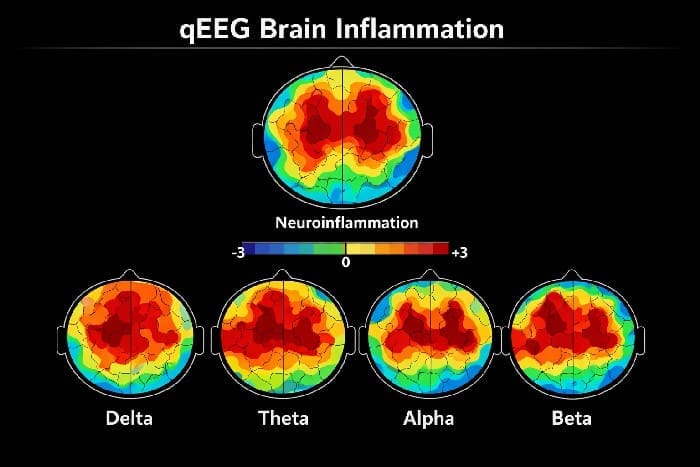
Neuroinflammation refers to inflammatory processes within the central nervous system. Research consistently shows that people with treatment-resistant depression have elevated levels of pro-inflammatory markers including IL-6, IL-1β, TNF-α, and C-reactive protein. These inflammatory cytokines quietly disrupt normal brain function through several interconnected pathways.

They activate an enzyme called IDO, which diverts tryptophan away from serotonin production—meaning even when a medication blocks serotonin reuptake, your brain may not have enough raw material to maintain healthy levels. Inflammation also chronically activates microglia, the brain’s immune cells, which then damage synaptic connections and impair your brain’s ability to grow and adapt. This helps explain why so many people with treatment-resistant depression also struggle with brain fog, concentration, and mental flexibility—symptoms that rarely budge with standard antidepressants. On top of that, chronic inflammation dysregulates your stress response system, elevating cortisol in ways that further damage neurons and keep the cycle going.

Be Well brain inflammation

Why Traditional Antidepressants Often Fall Short

SSRIs and SNRIs were built around the idea that depression equals low serotonin or norepinephrine. For many people, they help. But when inflammation is driving your depression, these medications address only part of the picture. The inflammatory cascade keeps disrupting neurotransmitter production and damaging neural connections regardless of what the medication is doing.

This explains something we hear often: “I felt a little better, but never quite right.” That partial response isn’t a sign that treatment can’t work—it’s a clue that something deeper needs attention.

Could Inflammation Be Part of Your Story?

Some signs that inflammation may be contributing to your depression include: partial response to multiple antidepressants; significant fatigue, body aches, or pain sensitivity; conditions like autoimmune disorders or metabolic syndrome; elevated inflammatory markers on bloodwork; and persistent brain fog or cognitive difficulties.

A More Complete Approach to Healing

At Be Well Solutions of Destin, we believe you deserve care that addresses the full picture. Our Brain Restore Program combines evidence-based modalities—including Ketamine Therapy, mild Hyperbaric Oxygen Therapy, Low Level Laser Therapy, Neurofeedback, and targeted brain health supplements—to address neuroinflammation and support lasting recovery.

Ketamine, for example, doesn’t just work on glutamate—research shows it also meaningfully reduces inflammatory cytokines in brain regions associated with depression, which may explain why it helps when so many other treatments haven’t.

“We often find that clients who haven’t responded to conventional treatment are carrying an inflammatory burden that traditional psychiatry doesn’t address. Understanding that changes everything about how we approach care.”

— Melanie Yost, LCSW, Co-owner, Be Well Solutions

You don’t have to keep trying the same approaches and hoping for different results. We warmly welcome patients from Destin, Fort Walton Beach, Panama City Beach, and throughout the Florida Panhandle.

Schedule your free qEEG brain mapping and consultation today. Call us at 850.786.2051  |  BeWellSolutionsDestin.com

Secret Link