


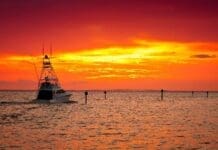




































January brings some of the coldest water temperatures of the year to the eastern reaches of Choctawhatchee Bay, and with them, some of the most consistent and predictable fishing patterns for anglers in Niceville, Bluewater Bay, Choctaw Beach and Valparaiso. As winter settles in, fish move into deeper, more stable water and often group tightly together, rewarding those willing to slow down and fish methodically. With lighter boat traffic and clear winter water, January offers prime inshore opportunities close to home.
Flounder remain available through January, though their numbers thin compared to late fall. Anglers should focus on deeper bay channels, creek mouths, bayou drop-offs and transition areas where sandy bottoms meet shell or mud. Productive areas include Swift Creek, Rocky Bayou, Boggy Bayou and deeper edges of the Intracoastal Waterway, as well as bayou mouths and channel bends near Bluewater Bay. Flounder hug the bottom during cold weather, often burying themselves in the sand while waiting to ambush prey. Slow-moving baits worked tight to the bottom are essential, and patience pays off — flounder frequently strike more than once if they miss the bait.
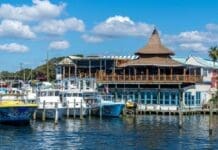
Speckled trout are a top January target and often stack up in deeper water during prolonged cold spells. Around Niceville, Bluewater Bay, Choctaw Beach and Valparaiso, look for trout holding near deep docks, marina basins, bayou mouths, bridge approaches and channel edges throughout the bay system. Areas around Bluewater Bay Marina and deeper residential docks can be particularly productive. Live shrimp on a Carolina rig works well when available, while soft-plastic shrimp and paddle tails fished slowly near the bottom are reliable alternatives. Afternoon warming periods often trigger short but productive feeding windows.
Redfish remain dependable throughout January, especially around oyster beds, creek mouths and deeper bay edges. During cold snaps, redfish push into deeper holes and channels, then move shallow on sunny afternoons as water temperatures rise. Schools of bull reds may also be encountered in deeper sections of the bay and along channel drop-offs during winter, offering exciting catch-and-release action. Because these fish are part of the spawning population, anglers are encouraged to use circle hooks and practice careful handling to ensure a healthy release.
Sheepshead fishing peaks in January as water temperatures continue to drop. These structure-oriented fish congregate around docks, bridge pilings, rock piles and marina structures throughout the bay, including areas near the Mid-Bay Bridge approaches, Bluewater Bay docks and along the Intracoastal Waterway. Their bite is subtle and often difficult to detect, making light tackle and close attention essential. Fiddler crabs and live shrimp remain the top baits.
Black drum also become more active during January and are commonly found schooling around deeper channels, docks and bridge structures. Smaller black drum provide excellent table fare, while larger fish offer steady winter action and are a popular target for anglers fishing from shore, piers or residential docks during the colder months.
Nearshore and Winter Gulf Notes
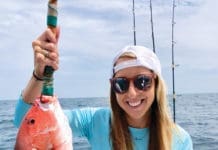
When winter weather cooperates, calm January days can open the door for productive nearshore fishing in the Gulf of Mexico. Vermilion snapper, blackfin tuna and other seasonal species may be available depending on conditions, while triggerfish remain catch-and-release only in state waters. Cold fronts often bring exceptionally clear water along the beaches, creating ideal sight-fishing opportunities for bull redfish cruising the shallows on sunny afternoons.
January fishing in our part of the world rewards preparation, patience and a slower approach. With fish holding deeper and feeding less aggressively, anglers who adapt to winter conditions often enjoy some of the most peaceful — and productive — fishing of the year.