







































Rebuilding Lives After a Stroke: The Power of Post-Acute Rehabilitation
By Teresa Halverson, Business Development/Community Relations Director
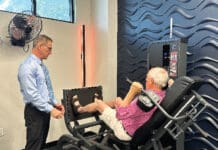
Recovery after a stroke doesn’t end when a patient leaves the hospital – in many ways, that’s when the real work and recovery begin. Post-Acute stroke rehabilitation is critical because it helps survivors regain lost abilities, adapt to new challenges, and restore as much independence as possible. Through targeted physical, occupational, and speech therapy services, patients can rebound strength, improve coordination and mobility as well as communication skills. Just as importantly, post-acute rehabilitation supports emotional and cognitive healing, helping individuals cope with life changes a stroke can bring. Early and consistent therapy not only improves physical and cognitive recovery, but also helps reduce the risk of complications and hospital readmissions. For many stroke survivors, this phase of care is the bridge between survival and truly living again.
Guidance from the National Stroke Association emphasizes that recovery, after a stroke, is a long-term process that requires active participation from the patient and family/caregivers. One of the most important recommendations is to begin rehabilitation as early as possible and remain consistent with therapy, as early intervention is closely linked to better outcomes. (https://www.stroke.org)

Post-acute rehabilitation is not only vital for the patient’s recovery, it also has a profound impact on family members and caregivers. For patients, this phase of care provides the structured support needed to regain as much independence as possible, preventing complications from falls, and rebuilds confidence in performing everyday activities. The ultimate goal of post-acute care is to assist the patient’s best possible chances of returning to their prior level of function.
For families, post-acute rehabilitation offers education, guidance, training and peace of mind during what is often an overwhelming time. Caregivers learn how to safely assist with daily tasks, manage medications, and recognize warning signs of any potential complications. This support reduces stress, prevents caregiver burnout, and fosters a more positive recovery environment at home. Effective post-acute care strengthens outcomes for both the patient and their support system, turning recovery into a shared, supported journey rather than an uncertain path.
Neurologists play a key role in monitoring the type and severity of the stroke, monitoring complications, and managing any underlying conditions. In collaboration with the post-acute clinical team and primary care physicians, neurologists help tailor rehabilitation plans based on the patient’s neurological status and recovery potential. Their continued involvement ensures that care remains coordinated, proactive and responsive to any changes, giving patients and families greater confidence and support throughout the recovery journey.
The Manor at Blue Water Bay provides comprehensive in-patient post-acute and outpatient rehabilitation services for stroke recovery, delivered by certified therapists specializing in neurological rehabilitation. Our team is dedicated to supporting recovery, independence and improved quality of life.
Call us today to schedule a tour and discover how our rehabilitation programs can support recovery.
850-897-5592 | wecare@manoratbwb.com | 1500 N. White Point Road, Niceville 32578