


















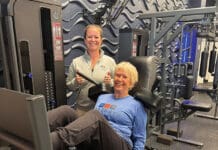





























By Melanie Yost, Be Well Solutions

A neurodegenerative diagnosis changes far more than memory, movement or speech. It changes how a person sees themselves, how they connect with others and how they picture their future. Conditions such as Alzheimer’s disease, Parkinson’s disease, Lewy body dementia, frontotemporal dementia, ALS and vascular dementia are progressive, meaning symptoms tend to worsen over time. Even so, many people are surprised to learn that there is still room for hope and a better quality of life.
These conditions affect how the brain works. Thinking clouds, memory fades and words become harder to find. Many people struggle with confusion, focus or decision-making, and emotional changes. Depression, anxiety, irritability, loss of motivation or noticeable personality shifts can appear—sometimes even before physical symptoms.
The physical changes that often occur include: tremors, weakness, balance issues, slower movement and ongoing fatigue. Tasks that once felt simple—driving, cooking, managing money or personal care – can gradually become more challenging. This loss of independence can be one of the hardest parts of the diagnosis.
Adding to the stress of the symptoms is the emotional weight of the journey. Many individuals grieve who they used to be. Their confidence can fade and roles within their family change. A quiet fear about the future often lingers. Caregivers and loved ones carry their own heavy load as they take on more caregiving duties while watching their loved one change into a different person. For many families, the experience feels lonely and overwhelming.
Traditional medical care plays an important role. Doctors help diagnose the condition, monitor progression, manage symptoms and plan for safety. Medications and therapies can slow certain changes and ease discomfort. Still, much of conventional care focuses on managing decline rather than supporting and building on what the brain can still do.

It is now understood that neurodegeneration is rarely caused by a single issue. Inflammation, reduced oxygen use, low energy production in brain cells, disrupted brain communication and metabolic stress often occur together. Because the challenges are layered, meaningful support must be layered as well.
A combined, non-invasive approach can help support brain health from multiple directions at once. Therapies that improve oxygen delivery, support cellular energy, calm inflammation, strengthen brain pathways through use and training, and help the brain regulate itself can work together in powerful ways.
These approaches do not claim to cure neurodegenerative disease. What they can offer, however, is deeply meaningful: improved clarity, steadier mood, better sleep, increased energy, improved balance and stronger emotional regulation for many individuals. Even small improvements can restore confidence, preserve dignity and make daily life feel more manageable for the person and their loved ones.
Just as important, this kind of care can restore a sense of control. Instead of simply waiting for what comes next, individuals and families can take an active role in supporting brain health and overall well-being.
A neurodegenerative diagnosis is life-changing and often frightening. But, it does not mean the brain is without hope. With compassionate, supportive and evidenced based care, the brain can continue to adapt and function better than once believed possible.
And in that space, many people discover something invaluable—not just more time, but better quality of living within the time they have.
If you or a loved one are struggling with brain fog, memory changes, emotional instability or signs of cognitive decline, please reach out. There is hope. Your brain can heal and evidence-based therapies can help you reclaim clarity, resilience, and quality of life.
Contact Be Well Solutions at (850) 786-2051 to schedule your FREE qEEG brain mapping scan, learn how your brain is functioning and discover ways to support your brain health goals.